
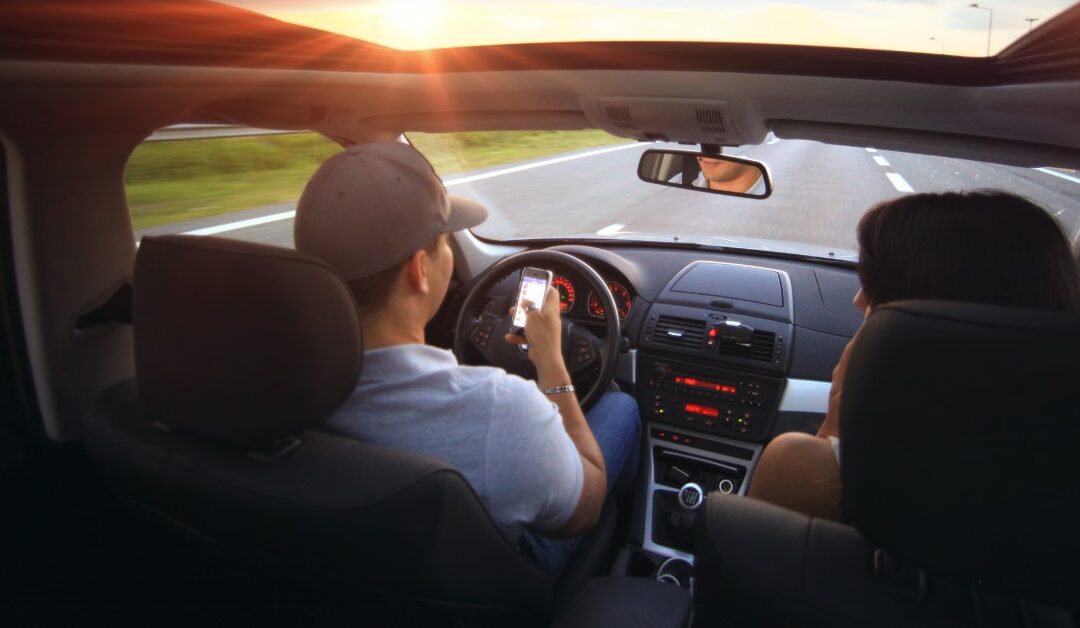
Are you thinking about taking classes to aid you in becoming a skilled and comfortable driver? Students are increasingly opting for vehicles with automated gearboxes because they are convenient and easy to use. This tutorial tells everything you need to know about automatic drive lessons including its benefits.
Understanding automated driving instruction.
The biggest difference between automated and mechanical driving classes is the type of drive train that powers the car. automatic drive lessons, unlike manual driving lessons, do not need the driver to physically exchange gears, making them easier to operate, particularly for beginners. This component of self-driving vehicles can drastically shorten the learning curve for inexperienced drivers, letting them more on refining their driving skills.
Benefits of automated drive lessons
- Reduced complexity: With an automatic gearbox, learners may focus on steering control, observation, and road knowledge instead of stressing about gear changes. Automated automobile negotiation makes stop-and-go traffic easier to manage since drivers aren’t required to halt or change gears.
- Quick learning curves: Learners frequently find computerized driving lessons less daunting and easier to understand than manual training, allowing for faster development and confidence beneath the wheel.a wheel.
- Understanding automatic drive lessons: Before understanding computerized driving classes, it’s fundamental to understand the basics of automatic motor vehicles. Automatic drive lessons, as opposed to conventional transmission automobiles, do not need drivers to shift gears manually. However, they use a manually operated torque converter or dual-clutch technology to automatically shift gears, making driving easier and more enjoyable.
Benefits of Automatic Driver Lessons:
automatic drive lessons can be more straightforward to learn than manual transmission courses. Lacking a clutch pedal to worry about, kids may focus on mastering important driving skills such as steering control, stops, plus situational awareness.
Reduced Strain: Without manual gear shifting, there is no need for harmony between the clutch and gear accelerators, which minimize stress and make heavy traffic or steep terrain easier to handle.
High-quality instruction for success.
When beginning your automated driving journey, it is critical to receive high-quality tuition from expert driving instructors. At Walnut School of Motoring, we pride pleasure on providing high-quality automated driving lessons that are customized to each learner’s specific needs.
Our instructors are DVSA-approved and well-equipped to walk you through every step of autonomous vehicle operation, from smooth acceleration and braking to establishing confidence in all kinds of road conditions.
Mastery of essential talents.
From straightforward actions to managing complex traffic circumstances, our training covers an array of important driving abilities. You’ll learn how to do smooth and accurate moves like parallel parking, three-point turns, and lane changes, giving you the confidence to take on any driving circumstance. Our teachers will provide you with step-by-step directions and feedback to assist you develop your technique and become a competent and experienced driver.
What You Can Expect from Automatic Drive Lessons:
During automated driving courses, you will be working with an approved driving instructor who will walk you through every step of learning to drive safely and competently. Lessons often cover a wide range of topics, such as basic vehicle handling, road placement, the ability to observe, and hazard identification.
Your teacher will tailor your courses to your learning style and preferences, ensuring that you make steady progress toward becoming a proficient driver. They will also provide helpful feedback and suggestions to improve your driving abilities and prepare for your practical driving exam.
1. Accessibility: Straightforward vehicles can be especially advantageous for people who have physical limitations or mobility challenges, as they give them the ability to move more independently.
2. Vehicle Familiarization: One of the more significant components of automated driving lessons involves getting comfortable with the transmission’s automatic system, which includes the gear selection, parking brake, accelerator, and braking pedals.
3. Starting and Stopping: Learning the skill of controlled acceleration and stopping is critical in autonomous driving. Understanding the connection between the accelerator and brake pedals, and the importance of making seamless changes between acceleration as well as deceleration is critical.
4. Parking tactics: Automatic driving courses also include several parking strategies, such as parallel parking, perpendicular parking, and hill parking, to ensure students can park effectively and securely in a variety of situations.
5. Automatic Driver Lessons Maneuvers: From lane changes to roundabouts and intersections, automated driving classes focus on establishing competency in a range of driver maneuvers, allowing children to comfortably handle varied road issues.
Practical Tips towards Automatic Drive lessons Success:
Maintain a Smooth Accelerated Profile: To avoid quick accelerations or jerky motions, apply innovative pressure to the accelerator pedal.
Use the “D” (Drive) Mode. Most automatic vehicles use the “D” mode for ordinary driving. However, become acquainted with additional settings such as “D3” (Drive 3) or “L” (Low) for specialized driving conditions such as towing or descending steep hills.
Stay Alert and Attentive: Despite the comfort of automatic driving, you must remain attentive and vigilant, anticipating potential hazards and reacting to changing highway conditions.
Conclusion:
Mastering autonomous vehicles or driving instructors is a joyful experience that provides practical advantages and improved comfort. By enrolling in automatic driving school and following the advice in this handbook, you can begin your journey to becoming a confident and proficient automatic driver. Accept the ease and convenience of autonomous automobiles and enter a universe of hassle-free and joyful driving experiences.
FAQS:
1. How long does it take to learn automatic drive lessons?
This depends on your prior experience and learning pace. Generally, automatic cars are easier to learn due to fewer controls. The number of lessons can vary, but most people gain confidence within 10-20 hours.
2. What are some common challenges with automatic driving lessons or cars?
One challenge can be finding the “feel” for the brake and gas pedals. It’s about smooth control – not slamming on the brakes or accidentally accelerating too quickly. Another adjustment might be remembering to use the parking brake when the car is stopped.
3. How long do automatic driving lessons typically last?
The duration depends on your learning pace and local regulations. It can range from a few lessons for experienced drivers transitioning to automatic to a more comprehensive course for beginners.
4. What are the pedals for?
In an automatic car, you only have two pedals:
Brake: This one is on the left, just like a manual car. Press it to slow down or stop.
Accelerator: This is on the right. Gently press it to increase speed. Unlike a manual, you don’t control the gears with a clutch pedal here.
5. Can I practice driving between lessons?
Yes, but only with a licensed driver beside you. This allows them to guide you and ensure your safety. Remember to follow learner’s permit restrictions regarding passengers and driving times.

